How can I find chauffeurs familiar with local routes? The most reliable way is to book directly with a licensed limousine company that operates in your region every day, rather than relying on a national rideshare app that dispatches whichever driver happens to be nearest. Local operators such as limousinesouthbay.com train chauffeurs on neighborhood shortcuts, venue loading docks, and airport terminal layouts across the South Bay, Orange County, and the desert corridor. As a result, these drivers can sidestep traffic bottlenecks and arrive on time, even during major events or unexpected flight delays.
Key Takeaways
- Look for chauffeur companies that operate locally, not just national dispatch apps, to get true regional route knowledge.
- Real-time flight tracking and defined coverage areas are strong indicators of a locally experienced fleet.
- Ask about driver tenure, licensing, and how routes are planned around traffic, weather, and venue logistics.
- Compare local specialists against generic rideshare options before booking airport, wedding, or corporate transportation.
- A short vetting checklist (below) can help you confirm a company’s regional expertise before you book.
How Can I Find Chauffeurs Familiar with Local Routes?
How can I find chauffeurs familiar with local routes? is, in practice, a question of vetting three things: licensing, dispatch technology, and how long drivers have worked in a specific region. Companies that operate exclusively in one area, rather than spreading thin across an entire state, tend to build deeper route knowledge over time. For example, a chauffeur based in the South Bay who drives daily between Manhattan Beach, Redondo Beach, and LAX will know which surface streets clear faster than the freeway during rush hour.
In addition, ask any prospective service how they train chauffeurs on new venues, storm detours, or seasonal event traffic. Furthermore, a company willing to answer specific route questions — rather than giving a vague “our drivers know the area” response — is generally more transparent about its operations. This guide to South Bay luxury chauffeur services outlines the coverage areas and vetting details worth reviewing before you book.
What Does Local Route Familiarity Actually Involve?
Local route familiarity means a chauffeur can anticipate delays, choose alternate paths, and know exactly where to stage a vehicle at a hotel, venue, or airport terminal. It is more than following a GPS unit; it involves lived experience with an area’s rhythms. Specifically, this includes knowing which streets flood during winter storms, which hillside roads through Rolling Hills or Palos Verdes narrow at certain hours, and which loading docks back up before a gala.
Many established operators also use dispatch software (a computer system that assigns drivers, tracks vehicle locations, and monitors flight status) paired with real-time flight tracking, which pulls live arrival data so a chauffeur can adjust pickup timing automatically. Consequently, passengers rarely wait at a curb or a baggage carousel wondering where their ride is. For a broader look at how this works across a wider service area, see this regional executive chauffeur service guide.
Signs of Strong Regional Route Knowledge
A few practical signals tend to separate route-savvy chauffeur companies from generic ones. Above all, look for a clearly defined service map rather than a vague “we go anywhere” claim. Operators that name specific communities — such as Manhattan Beach, Redondo Beach, San Pedro, and the Palos Verdes Peninsula, plus extended coverage into Orange County, Riverside, Pomona, Santa Barbara, and the Palm Springs desert corridor — are usually more precise about what their drivers actually know.
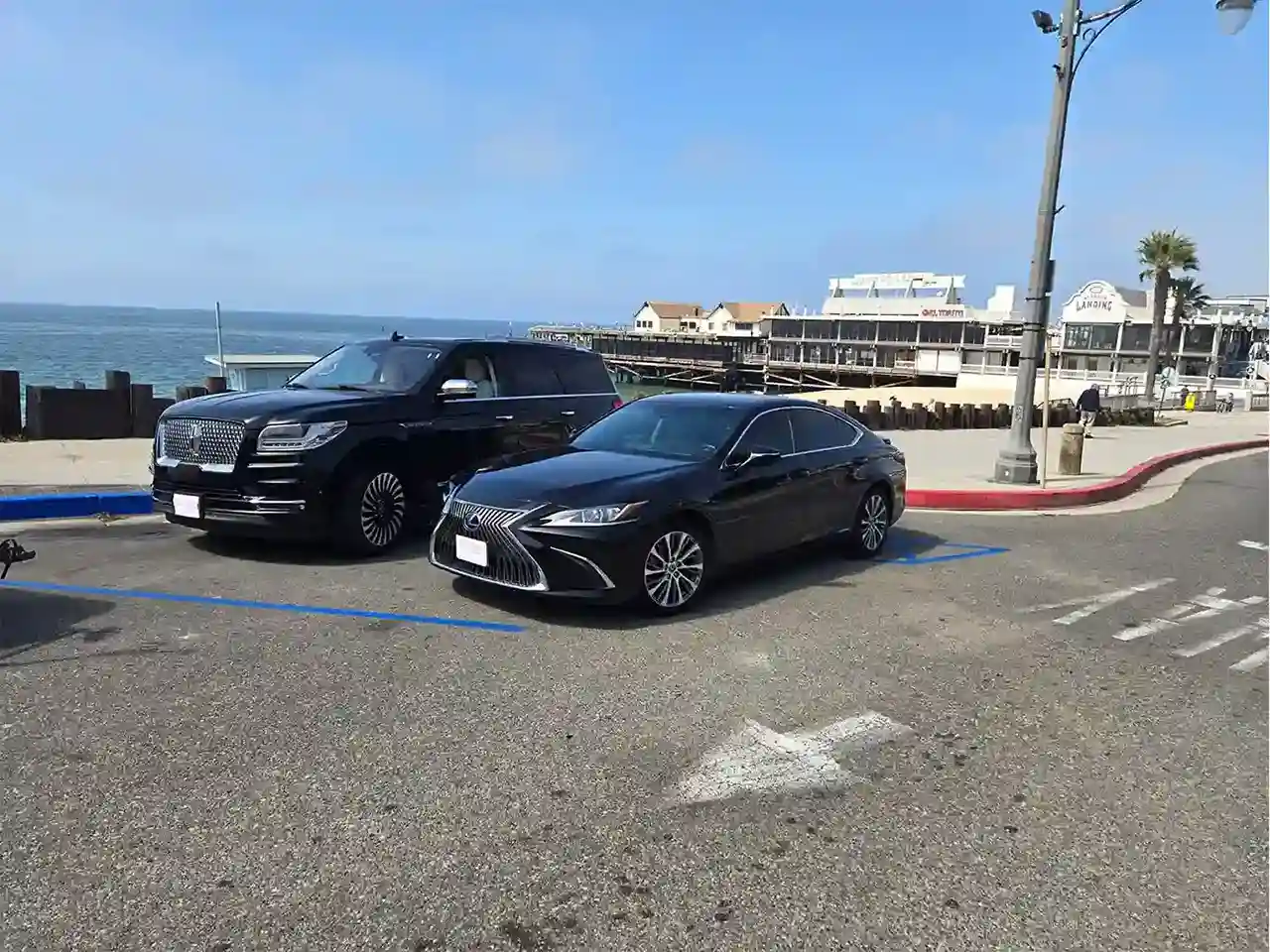
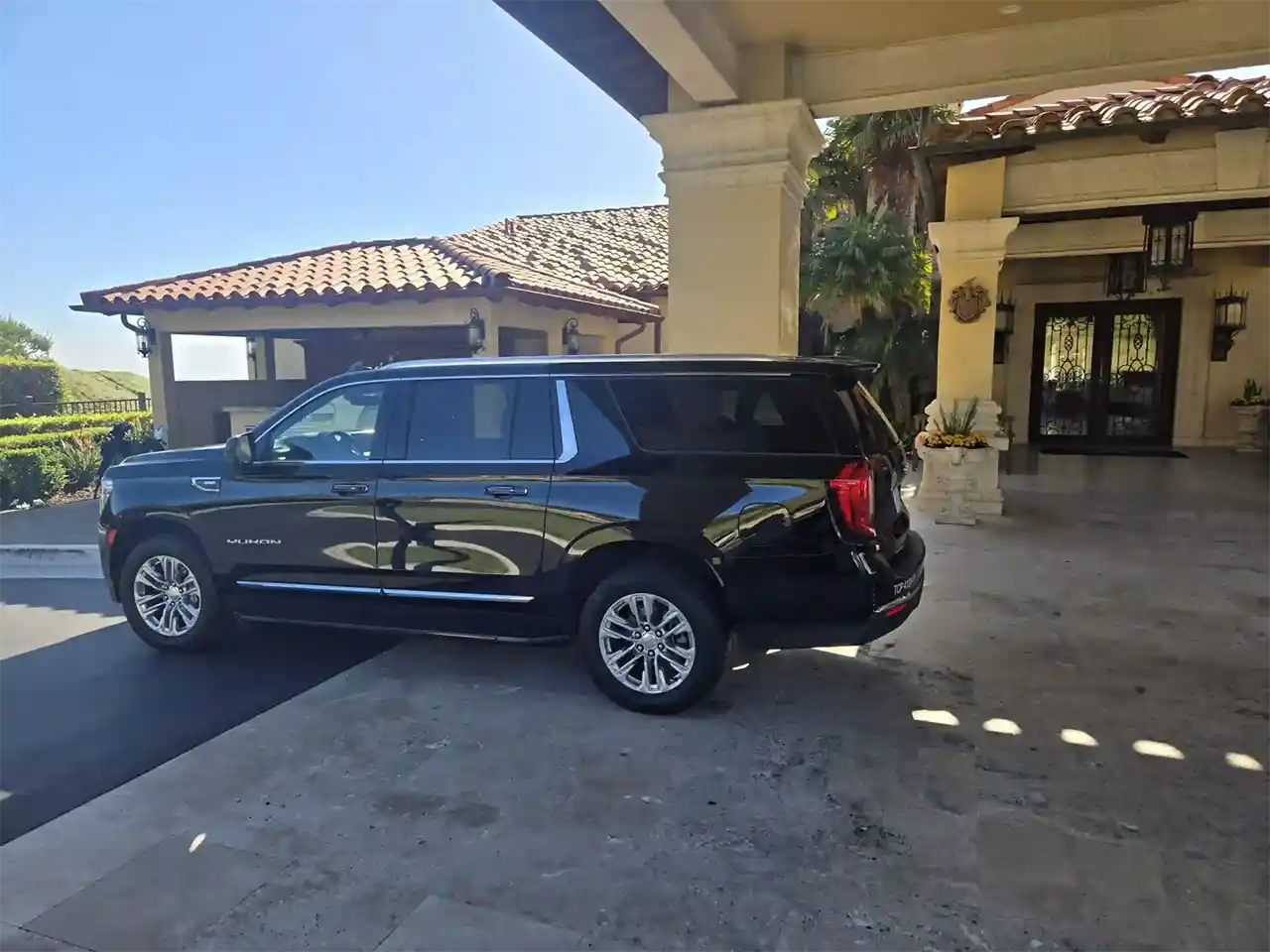
Similarly, ask whether the fleet includes vehicles suited to different terrain and group sizes, such as executive SUVs (including GMC Yukon XL and Lexus RX 450h hybrid models) alongside traditional stretch limousines. This matters because a chauffeur who regularly drives the same vehicle type on the same roads develops sharper instincts for that specific route.
“A chauffeur’s real value isn’t just driving — it’s knowing which canyon road floods during a storm, which hotel loading dock backs up before a gala, and which terminal curb closes an hour before a red-eye departs.”
Comparing Local Chauffeur Specialists vs. Generic Rideshare
Because rideshare apps assign whichever driver is closest at the moment of booking, route familiarity is essentially random. In contrast, a dedicated limousine or chauffeur service assigns drivers who work the same territory repeatedly. The table below summarizes the practical differences.
| Criteria | Local Chauffeur Service | Generic Rideshare / Taxi |
|---|---|---|
| Driver route familiarity | Consistent, region-specific experience | Varies by whoever is nearest |
| Real-time flight tracking | Standard practice for airport transfers | Rarely offered |
| Venue and event logistics knowledge | Often trained on loading docks, curbside rules | Typically unfamiliar |
| Vehicle consistency | Fixed fleet, e.g. executive SUVs, limousines | Unpredictable vehicle type |
| Best suited for | Weddings, corporate travel, airport transfers | Short, low-stakes trips |
Step-by-Step: How to Vet a Local Chauffeur Service
Therefore, before booking a car for a wedding, corporate trip, or airport run, it helps to follow a consistent vetting process. The steps below can be completed in under fifteen minutes for most companies.
- Confirm licensing and insurance. Ask the company for its state transportation permit number and proof of commercial insurance before providing any payment details.
- Ask about coverage area. Request a specific list of the cities and venues the company regularly services rather than accepting a general statement about statewide reach.
- Check flight tracking capability. For airport pickups, confirm whether the company monitors your flight number automatically so pickup timing adjusts for delays.
- Review chauffeur tenure. Ask how long drivers typically stay with the company, since longer tenure usually correlates with deeper local route knowledge.
- Confirm venue experience. If booking for a wedding or corporate event, ask whether the chauffeur has worked that specific venue before to reduce loading and staging delays.
- Read the cancellation and pricing policy. Review hourly minimums, wait-time charges, and cancellation windows in writing before confirming the reservation.
Why Local Route Knowledge Matters Beyond the South Bay
According to the Bureau of Transportation Statistics, roughly 1 in 5 domestic U.S. flights arrived late in recent years, which means airport pickup timing is rarely predictable. As a result, chauffeurs who monitor arrivals directly, rather than relying solely on a scheduled pickup time, can prevent long curbside waits at LAX, Long Beach, or John Wayne (SNA) airports.
This regional knowledge becomes even more valuable outside the immediate South Bay footprint. For instance, a private transfer to Santa Barbara or Montecito involves different highway patterns than a trip into the Palm Springs, La Quinta, Rancho Mirage, or Indian Wells desert corridor. Consequently, companies with genuine multi-region experience, rather than a single-city focus, tend to handle these longer city-to-city transfers more smoothly. Readers planning weddings or large gatherings may also find this overview of event transportation options useful for coordinating multiple vehicles.
It is also worth noting that reliability data backs this up locally. One analysis of limousine service reliability in Redondo Beach found that punctuality and route familiarity were the two factors clients cited most often when rating their experience. Similarly, comparisons of executive car service in Manhattan Beach and Redondo Beach point to the same conclusion: local, repeat-route experience consistently outperforms one-off dispatch models. For general background on the vehicle category itself, the Wikipedia entry on limousines offers useful historical context, while the National Limousine Association publishes broader industry standards worth reviewing.
Frequently Asked Questions
What does it mean for a chauffeur to be “familiar with local routes”?
It means the driver has repeated, first-hand experience with a specific region’s roads, traffic patterns, and venues. This includes knowing shortcuts, seasonal detours, and where vehicles can safely stage at hotels or airports.
How can I find chauffeurs familiar with local routes?
The most direct way to find chauffeurs familiar with local routes is to book with a company that operates daily within a defined region, such as the South Bay, and ask specific questions about coverage areas, driver tenure, and flight tracking before reserving.
Why does local route knowledge matter for airport transfers?
Airport transfers involve tight timing windows, terminal-specific pickup rules, and unpredictable flight delays. A chauffeur who tracks flights and knows terminal layouts can adjust pickup timing without leaving passengers waiting.
How is a local chauffeur service different from a rideshare app?
Rideshare apps assign whichever driver is nearest, so route familiarity varies widely. A local chauffeur service assigns drivers who work the same territory repeatedly, which builds consistent regional knowledge over time.
How much does a chauffeur service with local expertise typically cost?
Pricing depends on vehicle type, trip length, and hourly minimums, and it varies by market and provider. Sedans and executive SUVs are generally priced lower than stretch limousines, while hourly and point-to-point rates differ based on distance and event type.
How far in advance should I book a chauffeur for an event?
For weddings or large corporate events, booking two to four weeks ahead is generally recommended to secure preferred vehicles. However, airport transfers and hourly service can often be arranged with 24 to 48 hours’ notice.
What mistakes do travelers make when choosing a chauffeur service?
A common mistake is booking based on price alone without confirming licensing or coverage area. Another frequent error is assuming any driver can handle a specific venue’s loading logistics without prior experience there.
What best practices should I follow when vetting a limousine company?
Ask for licensing details, a defined coverage map, and information about flight tracking or venue experience. In addition, reviewing recent client feedback on punctuality can reveal how consistently a company delivers on its route promises.
Do local chauffeurs track flight delays for airport pickups?
Yes, most established local chauffeur companies use real-time flight tracking to monitor arrival times automatically. This allows drivers to adjust their arrival at the curb so passengers are not left waiting.
Can local chauffeurs handle wedding and event logistics?
Experienced local chauffeurs often coordinate multiple vehicle arrivals, photo timing, and venue loading zones. Because they have worked similar events before, they can plan routes around ceremony schedules and reception timing.
What areas do South Bay chauffeur services typically cover?
Coverage typically includes Manhattan Beach, Redondo Beach, San Pedro, Rolling Hills, and the Palos Verdes Peninsula. Many South Bay operators also extend service into Orange County, Riverside, Pomona, Santa Barbara, and the Palm Springs desert corridor.
Is hourly chauffeur service available for city-to-city travel?
Yes, hourly and private city-to-city chauffeur service is common for casino trips, regional business travel, and multi-stop days. This option is useful when a fixed itinerary is not practical.
How do I verify a chauffeur company’s licensing and insurance?
Ask directly for the operator’s state transportation permit number and current commercial insurance certificate. The U.S. Department of Transportation and state-level agencies maintain guidance on commercial passenger transport requirements that can help confirm legitimacy.
In summary, how can I find chauffeurs familiar with local routes comes down to checking a company’s licensing, coverage map, driver tenure, and flight-tracking practices before booking. Ultimately, choosing a locally based operator over a generic dispatch app is the clearest path to punctual, well-informed service across the South Bay, Orange County, and the wider Southern California region. Whether the trip involves an airport transfer, a wedding, or a long desert corridor drive, local route expertise remains one of the most reliable indicators of a smooth ride.