How does limousine service compare to rideshares? In short, limousine service is a professional, chauffeur-driven option that provides guaranteed vehicles, trained chauffeurs, and fixed-rate pricing, while rideshare apps such as Uber and Lyft connect riders with independent drivers using personal cars at fares that shift with demand. For travelers heading to LAX, a Manhattan Beach wedding, or a desert getaway near Palm Springs, that difference shapes comfort, reliability, and total cost. Above all, the two services serve different priorities: one favors consistency and polish, while the other favors speed and app-based convenience.
Key Takeaways
- Limousine service includes a professional chauffeur, a guaranteed vehicle class, and flat or hourly pricing agreed upon at booking.
- Rideshares rely on driver availability and surge pricing, which can make fares unpredictable during peak travel times.
- Limousine companies often track flights in real time for airport pickups, while rideshare drivers typically do not.
- Weddings, corporate travel, and group transfers usually favor limousine service because of capacity and professionalism.
- Rideshares can be a practical choice for short, spontaneous, solo trips where cost is the only priority.
What Is Limousine Service?
Limousine service is a chauffeured transportation option in which a professional driver operates a company-owned or company-managed vehicle on a pre-arranged, fixed-rate basis. Unlike a taxi or rideshare, the vehicle, the driver, and the price are typically confirmed before the trip begins.
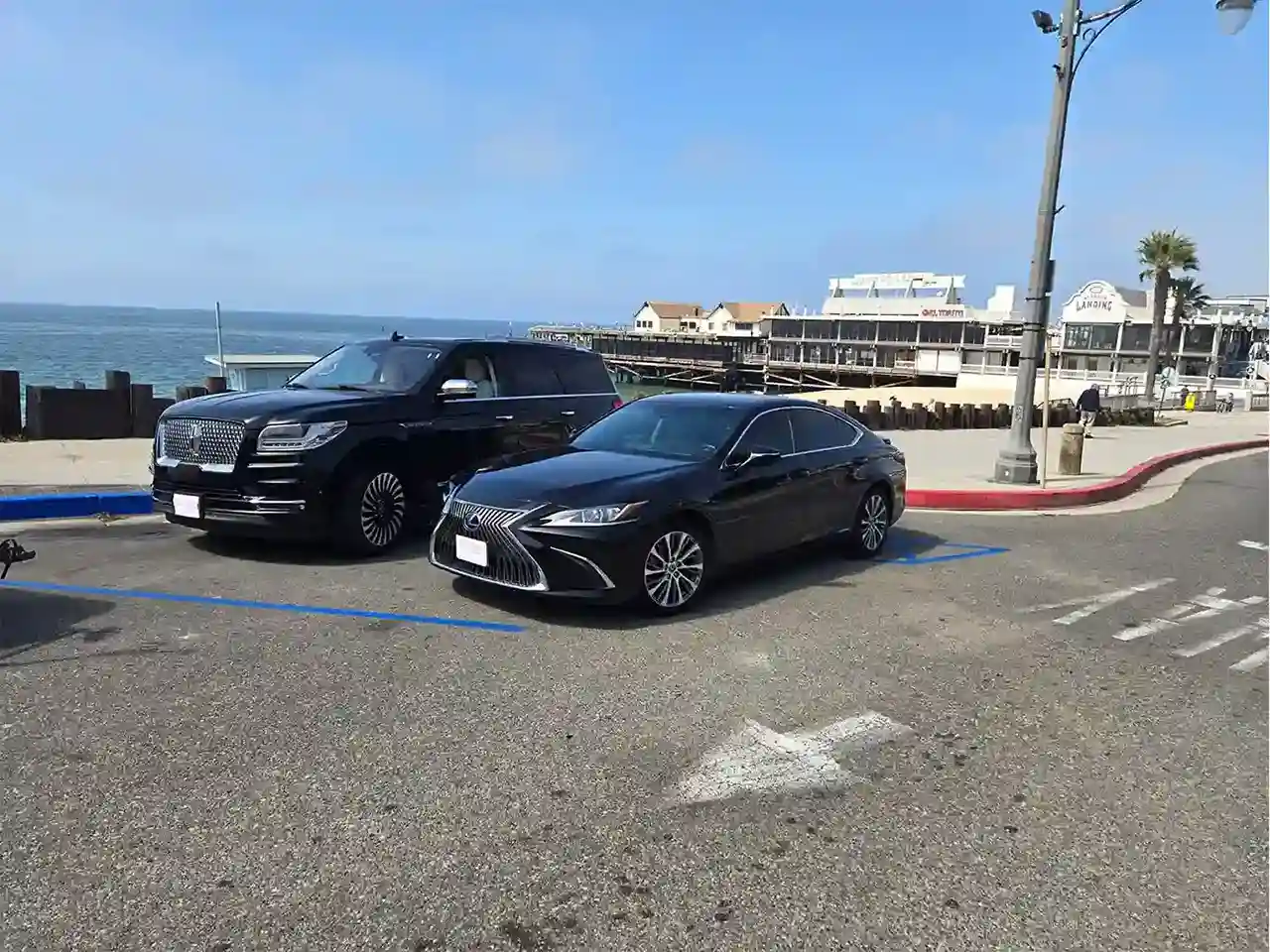
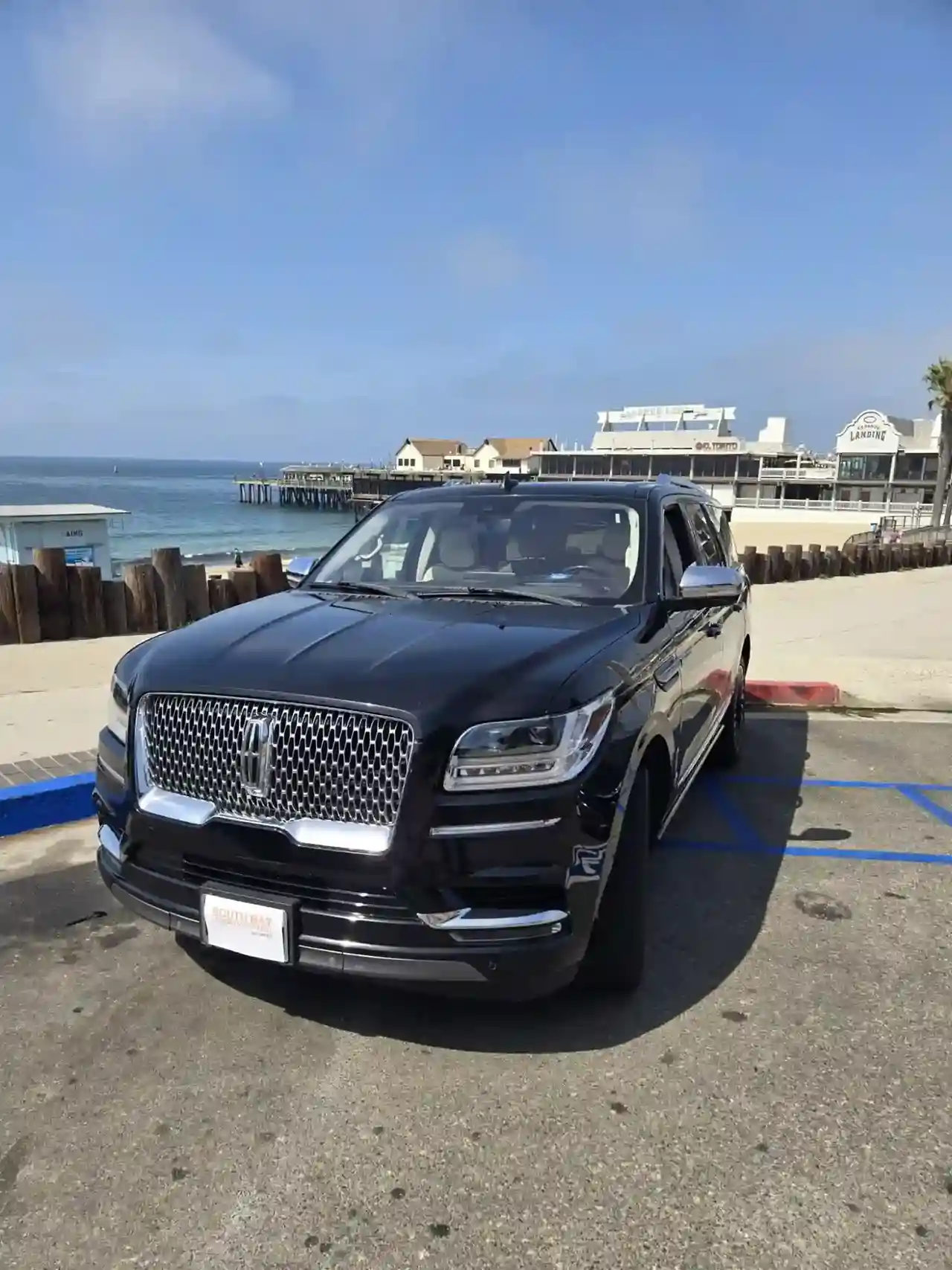
In Southern California, companies offering a full range of limousine services commonly provide sedans, executive SUVs such as the GMC Yukon XL, and traditional stretch limousines. Chauffeurs in this industry usually undergo background checks, defensive driving training, and licensing specific to commercial passenger transport. As a result, passengers know exactly who is driving and what vehicle will arrive, rather than waiting to see which independent driver accepts the request.
Consequently, limousine companies plan routes and timing in advance. For example, a provider offering point-to-point transportation between the South Bay and LAX will typically monitor traffic and flight status so the vehicle arrives with a buffer for delays. In addition, limousine service tends to include amenities rideshare vehicles rarely offer as standard, such as Wi-Fi and climate-controlled interiors suited for formal events.
How Does Limousine Service Compare to Rideshares?
When comparing the two side by side, the differences go beyond price. Limousine service offers a dedicated chauffeur, a specific vehicle class, and door-to-door assistance, while rideshare service offers speed, app-based tracking, and typically lower base fares for short trips.
Specifically, rideshare platforms match a rider with whichever nearby driver accepts the trip request. Therefore, the vehicle’s age, cleanliness, and the driver’s familiarity with the area can vary from one ride to the next. In contrast, a limousine company assigns a chauffeur who often knows local venue logistics, whether that’s a Palos Verdes estate wedding or a downtown Los Angeles corporate office.
Similarly, pricing structures differ in a meaningful way. Rideshare fares are calculated algorithmically and can spike during storms, sporting events, or flight delays. Limousine pricing, on the other hand, is typically quoted in advance, so the final bill matches what was agreed upon at booking. Above all, a chauffeur is trained to manage luggage and adjust to a client’s schedule, while a rideshare driver’s primary role is simply completing the trip efficiently.
Rideshare vs. Limousine: Key Differences in Southern California
Across the South Bay and neighboring regions, local knowledge plays a bigger role than many travelers expect. Companies providing limo service in the South Bay typically train chauffeurs on routes through Manhattan Beach, Redondo Beach, San Pedro, and the Palos Verdes Peninsula, including venue-specific drop-off points a rideshare driver unfamiliar with the area might miss.
Furthermore, coverage area matters. Rideshare apps generally work anywhere with driver availability, but wait times and prices can be inconsistent in lower-density areas. Limousine companies serving Southern California, by contrast, often pre-position vehicles for scheduled pickups across regions ranging from Orange County to the desert corridor near Palm Springs and Rancho Mirage.
In particular, this matters for longer regional transfers. A trip from the South Bay to Santa Barbara, for instance, is a fixed, plannable journey for a limousine service, whereas the same trip through a rideshare app could involve a driver unwilling to accept a long-distance fare. Likewise, group size shapes the decision: rideshare vehicles are usually limited to four or five passengers, while executive SUVs and limousines can comfortably move six to ten people along with luggage.
Cost Comparison: Limousine Pricing vs. Rideshare Surge Fees
Cost is often the first factor travelers weigh, yet a fair comparison requires looking past the base fare. Rideshare pricing relies on real-time algorithms, and surge pricing — a temporary fare increase triggered by high demand — can raise the cost of a single trip well beyond its normal rate. According to consumer transportation research, surge multipliers have been documented to double or even triple standard fares during peak periods such as holiday travel or major local events.
Limousine pricing, in contrast, is typically locked in at booking. Whether a client needs a Palm Springs limo transfer or a Rancho Mirage limo service booking for a desert weekend, the rate is agreed upon in advance and does not change because of weather, traffic, or demand spikes.
Consequently, for group travel the math often favors limousine service. Splitting a flat hourly rate for an executive SUV among six wedding guests, for example, can cost less per person than booking two or three separate rideshare vehicles, each subject to its own surge pricing. Meanwhile, for a single traveler taking a short, non-peak trip, a rideshare may still be the cheaper option.
“A guaranteed rate agreed upon before the trip removes the biggest source of frustration travelers have with on-demand transportation: not knowing the final price until the ride is already over.”
| Feature | Limousine Service | Rideshare (Uber/Lyft) |
|---|---|---|
| Pricing model | Flat or hourly rate confirmed before the trip | Algorithmic pricing, subject to surge increases |
| Vehicle assignment | Guaranteed vehicle class booked in advance | Assigned dynamically from nearby drivers |
| Driver background | Licensed chauffeur; commercial carrier oversight | Independent contractor; background check and insurance minimums |
| Group capacity | Up to 10 passengers (SUV or limousine) | Typically 4-5 passengers |
| Airport monitoring | Real-time flight tracking included | Dispatched after ride request; no flight monitoring |
| Best for | Weddings, corporate travel, airport transfers, groups | Short, spontaneous, solo trips |
Safety, Reliability, and Professional Standards
Safety standards differ between the two models as well. Limousine and chauffeured vehicle operators are generally classified as commercial passenger carriers and are subject to oversight from agencies such as the Federal Motor Carrier Safety Administration, which sets rules for vehicle inspections, driver qualifications, and hours of service. Many limousine companies also follow guidance from industry groups like the National Limousine Association, which promotes chauffeur training and professional conduct standards.
Rideshare drivers, however, operate under a different framework. Because they typically use personal vehicles and work as independent contractors, oversight tends to focus more on background checks and insurance minimums rather than commercial vehicle inspection schedules. This is not necessarily unsafe, but it does mean vetting and maintenance standards can vary more from driver to driver.
For that reason, reliability tends to be more consistent with limousine service. A confirmed chauffeur and vehicle mean there is little risk of a last-minute cancellation, whereas rideshare requests can occasionally be declined by a driver who finds a more convenient fare. As a result, many corporate clients and event planners choose limousine service specifically for the predictability it offers.
Are Rideshares Faster for Airport Transfers to LAX?
Rideshares are not necessarily faster once actual pickup logistics are considered. At busy airports such as LAX, Long Beach Airport, and John Wayne Airport (SNA), rideshare pickups often require walking to a designated lot, which can add ten to twenty minutes compared to a chauffeur meeting a passenger directly at baggage claim or curbside.
In addition, limousine companies frequently use real-time flight tracking, adjusting pickup timing automatically if a flight is delayed or arrives early. Rideshare drivers, by comparison, are typically dispatched only after the passenger requests a ride, which means a late-arriving flight can leave a traveler waiting during peak arrival windows. Therefore, for time-sensitive trips such as a business meeting, limousine service tends to remove a layer of uncertainty.
When a Rideshare Might Be the Better Choice
Limousine service is not always the right fit, and being clear about that helps travelers make an informed choice. For a quick solo trip a few miles across town during off-peak hours, a rideshare app can be faster to book and less expensive than arranging a chauffeured vehicle.
Similarly, last-minute, unplanned trips with no fixed schedule often suit rideshare platforms better, since there is no need to commit to a booking window in advance. However, once the trip involves a group, a formal event, a long-distance transfer, or a tight airport schedule, the balance tends to shift toward limousine service, where guaranteed vehicles and fixed pricing generally outweigh app-based convenience.
How to Book a Reliable Limousine Service in Southern California
- Confirm the trip details. Provide the exact pickup address, drop-off location, date, and time, along with the number of passengers and luggage, so the dispatcher can assign a vehicle with enough capacity.
- Choose the right vehicle class. Decide between a sedan, an executive SUV like the Lexus RX 450h hybrid, or a traditional limousine based on group size and the formality of the occasion.
- Share flight or event information. For airport transfers, provide the flight number so the company can track arrival times; for weddings or corporate events, share the venue name and any timing constraints in advance.
- Confirm pricing and get it in writing. Ask for a flat rate or hourly rate quote before the trip, including gratuity and any additional stops, to avoid surprises on the final invoice.
- Review chauffeur and vehicle confirmation. Request confirmation of the assigned chauffeur and vehicle ahead of the pickup date, particularly for time-sensitive events like weddings or executive meetings.
For details on regional coverage and vehicle availability, visit limousinesouthbay.com before finalizing a booking.
Frequently Asked Questions About Limousine Service vs. Rideshares
How Does Limousine Service Compare to Rideshares?
How does limousine service compare to rideshares comes down to three main factors: a dedicated chauffeur, a guaranteed vehicle class, and fixed-rate pricing agreed upon before the trip. Rideshares, on the other hand, offer app-based convenience with fares that can change based on demand and driver availability.
What Is Limousine Service?
Limousine service is a chauffeured, pre-arranged transportation option using a professional driver and a company-managed vehicle, priced on a flat or hourly rate. It differs from a taxi or rideshare because the vehicle and driver are confirmed before the trip begins.
How Much Does a Limousine Cost Compared to an Uber or Lyft?
Limousine pricing is typically quoted in advance as an hourly or flat rate, while rideshare pricing is calculated algorithmically and can rise sharply during high-demand periods. For group trips, a shared limousine rate often costs less per person than several separate rideshare fares.
Is Limousine Service Safer Than a Rideshare?
Limousine companies are generally subject to commercial passenger carrier regulations, including vehicle inspections and chauffeur licensing requirements. Rideshare drivers are vetted primarily through background checks, so vehicle inspection standards can vary more from driver to driver.
How Far in Advance Should I Book a Limousine?
For weddings, corporate events, or long-distance transfers, booking one to two weeks in advance is recommended to guarantee vehicle availability. Airport transfers can often be booked with 24 to 48 hours’ notice, though earlier booking is safer during holidays.
What Vehicles Are Typically Used for Limousine Service in Southern California?
Common options include late-model sedans, executive SUVs such as the GMC Yukon XL and Lexus RX 450h hybrid, and traditional stretch limousines. The right choice depends on group size, luggage needs, and the formality of the occasion.
Can a Limousine Company Track My Flight for Airport Pickup?
Yes, many limousine companies use real-time flight tracking to adjust pickup timing automatically for early or delayed arrivals. This reduces wait times compared to rideshare pickups, which are typically dispatched only after the passenger requests a ride.
What Is the Biggest Mistake Travelers Make When Choosing Between a Limo and a Rideshare?
The most common mistake is focusing only on the base fare without accounting for group size, luggage, or surge pricing risk. A rideshare that looks cheaper upfront can end up costing more once multiple vehicles or surge multipliers are factored in.
Is a Rideshare Better for Solo Travelers?
For short, spontaneous trips during off-peak hours, a rideshare can be a faster and less expensive option for a single traveler. However, for airport transfers or longer regional trips, a limousine’s fixed pricing often provides better value and reliability.
Do Limousine Companies Charge Surge Pricing Like Rideshare Apps?
No, most limousine companies quote a flat or hourly rate before the trip, and that rate does not change due to weather, traffic, or demand spikes. This is one of the clearest differences between limousine pricing and rideshare surge pricing.
What Is the Best Transportation Option for a Wedding Party?
Limousine service is generally better suited for wedding parties because it offers higher passenger capacity, a professional chauffeur familiar with venue logistics, and a fixed schedule. Coordinating multiple rideshare vehicles for a wedding party adds complexity and cost uncertainty.
How Many Passengers Can a Limousine or Executive SUV Hold?
Executive SUVs typically seat six to seven passengers, while traditional stretch limousines can accommodate eight to ten passengers depending on the model. Rideshare vehicles are usually limited to four or five passengers.
Are Gratuity and Fees Included in Limousine Pricing?
Many limousine companies include gratuity and standard fees in their quoted rate, though this varies by provider, so it is worth confirming before booking. Rideshare apps typically calculate gratuity separately and may add fees for tolls, airport pickup, or surge periods.
In the end, how does limousine service compare to rideshares comes down to priorities: consistency, capacity, and predictable pricing versus speed and app-based convenience. Limousine service tends to win out for airport transfers, weddings, corporate travel, and group trips across the South Bay, Orange County, and the desert corridor, while a rideshare remains a reasonable choice for short, solo, off-peak trips. Wherever a trip falls on that spectrum, understanding these differences helps travelers book the option that actually fits their schedule, group size, and budget.