The best way to get to the Rose Bowl from Southern California depends on where you are starting, how many people are traveling with you, and how much your time is worth on event day. For most travelers coming from the South Bay, Greater Los Angeles, or Orange County, a private chauffeured vehicle beats self-driving or rideshare apps because it removes parking chaos, post-event gridlock, and surge pricing from the equation. However, if you plan to drive yourself, timing your departure around Pasadena’s traffic patterns matters just as much as the route you pick. This guide compares every realistic option so you arrive relaxed, on schedule, and ready for the game, concert, or event.
Key Takeaways
- The best way to get to the Rose Bowl from Southern California for most event-day crowds is a pre-booked chauffeured vehicle that avoids parking and rideshare surge pricing.
- Self-driving works fine for small daytime events but becomes a liability during major games, concerts, and sold-out shows.
- Traffic around the Rose Bowl in Pasadena, California can add 45 minutes or more to normal drive times during peak arrival windows.
- Rideshare pricing (Uber, Lyft) often triples or quadruples near major Rose Bowl events due to demand surges.
- Booking ground transportation at least 5–7 days ahead secures better vehicles and pricing than day-of requests.
What Is the Best Way to Get to the Rose Bowl from Southern California?
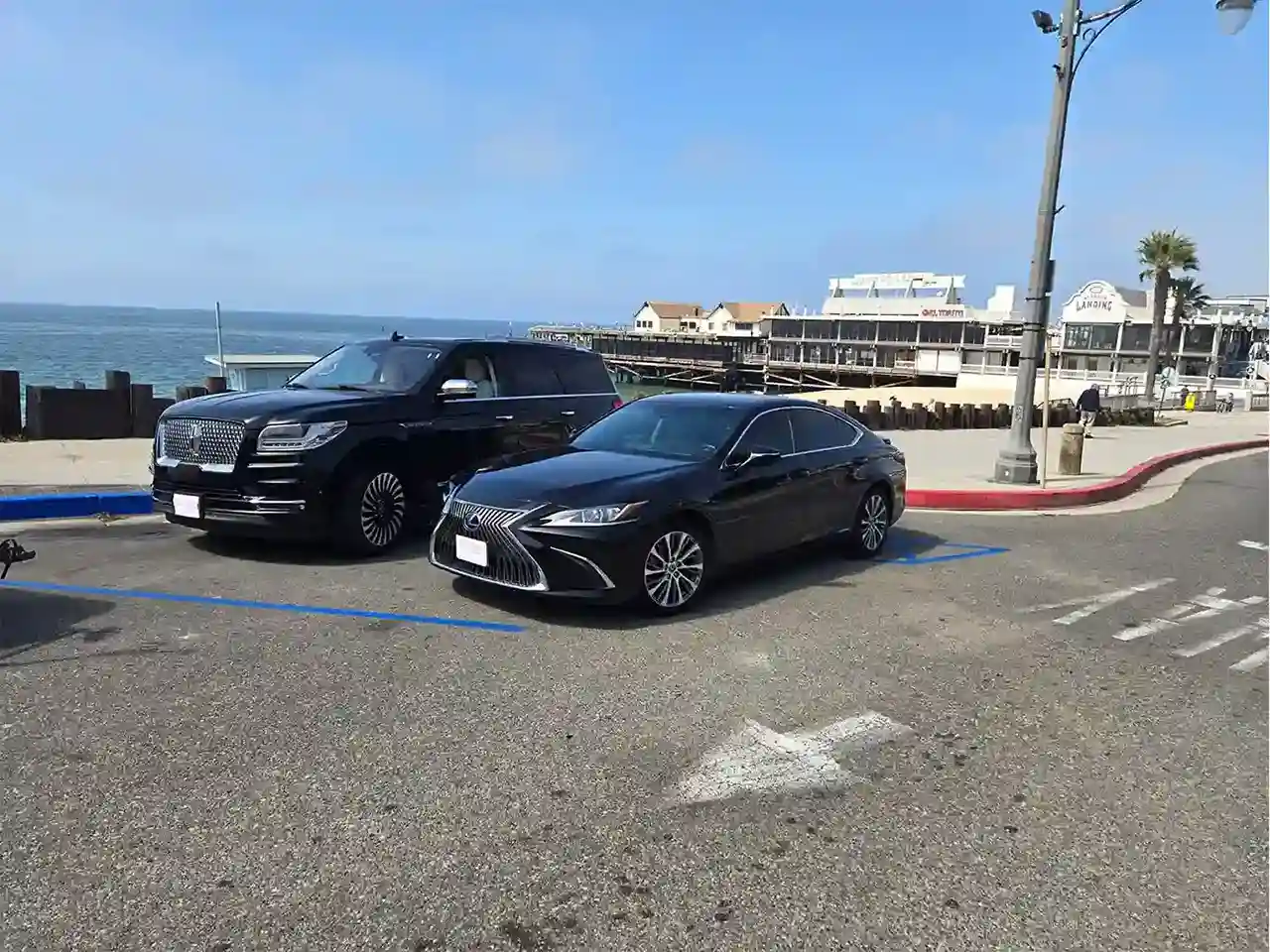
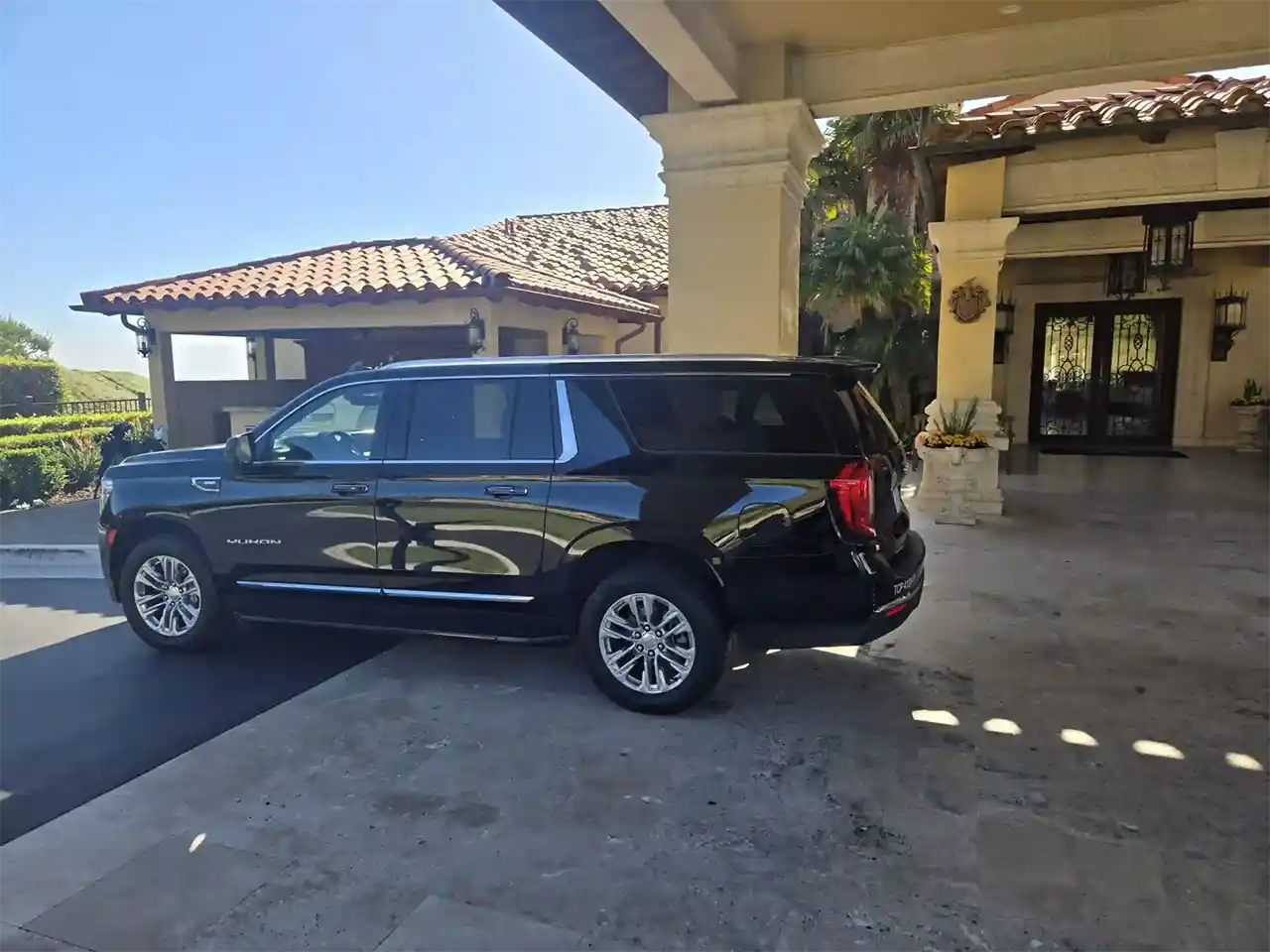
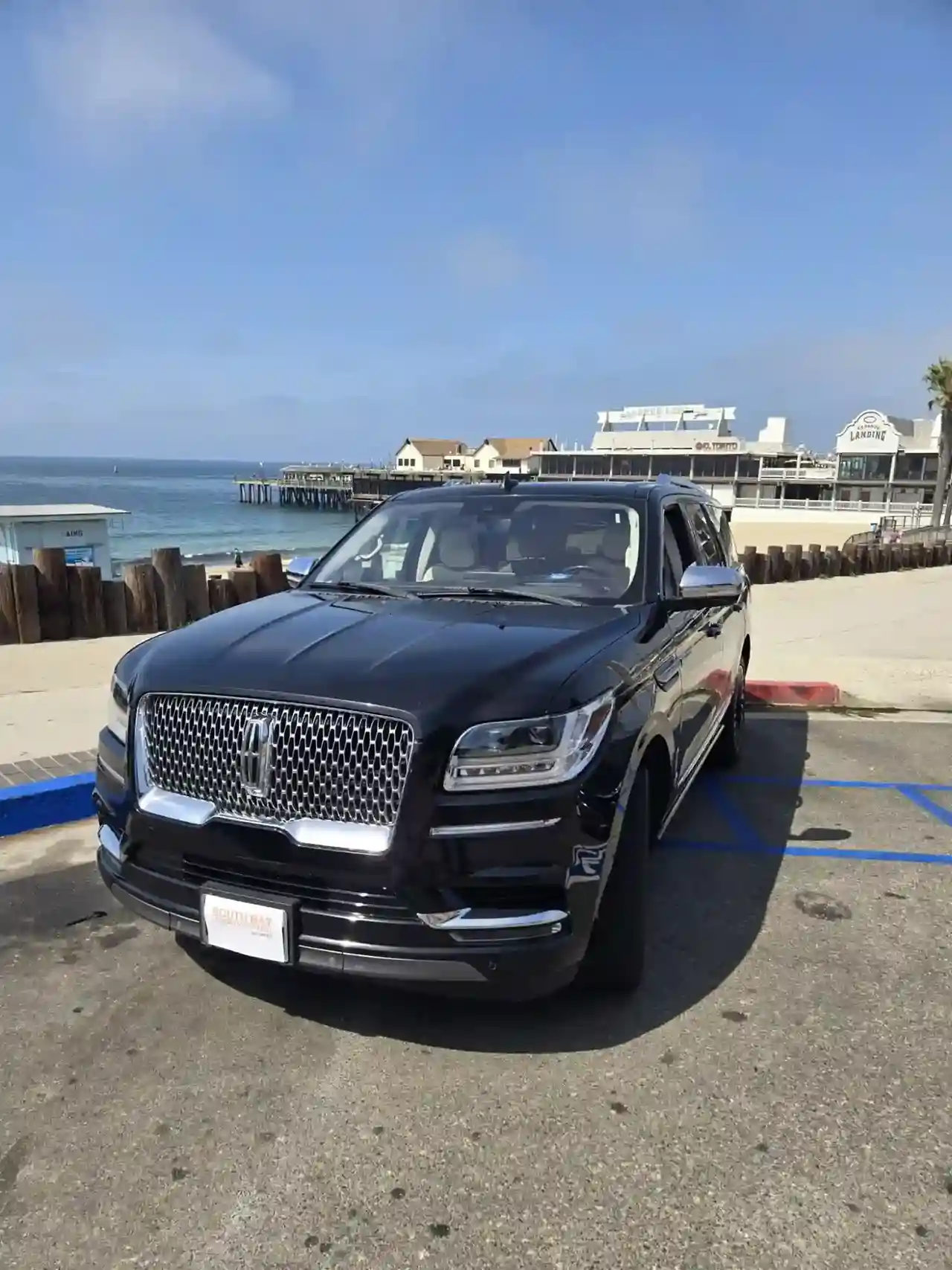
The best way to get to the Rose Bowl from Southern California is a professionally chauffeured SUV, sedan, or Sprinter van booked in advance, arriving through a coordinated drop-off plan rather than general public parking. This approach avoids the two biggest failure points of Rose Bowl travel: unpredictable freeway backups near Pasadena and post-event exit gridlock that can trap a self-driven car for over an hour. In addition, a chauffeur monitors live traffic and adjusts the route in real time, which a first-time visitor simply cannot do.
The Rose Bowl (a term for the historic stadium in Pasadena, California, meaning a fixed venue rather than the flower parade) seats roughly 88,565 people, according to Wikipedia. As a result, even mid-sized events push tens of thousands of vehicles through a limited number of residential streets in Pasadena at once. Consequently, the “best” route is rarely just the shortest one on a map; it is the one that accounts for scheduled arrival waves, road closures, and where you can actually stop to load passengers.
For travelers coming from farther afield — Santa Barbara, Palm Springs, or even Las Vegas — the calculation changes again. In those cases, a private flight paired with a ground transfer often outperforms a five-hour highway drive, particularly for real estate developers, legal teams, and executives who need to be productive en route rather than stuck behind the wheel.
Understanding Rose Bowl Event-Day Traffic in Pasadena
Traffic around the stadium behaves very differently from ordinary Pasadena traffic. Specifically, the California Department of Transportation notes that major event congestion on regional freeways such as the 110 and 210 can extend normal drive times significantly during peak arrival and departure windows, based on guidance published through Caltrans QuickMap. In other words, the freeway distance on a map rarely reflects the true travel time on a game day or concert night.
Peak Arrival and Departure Windows
Most congestion clusters in two windows: the 90 minutes before an event starts and the 30–45 minutes immediately after it ends. Above all, the exit window is the harder one to manage, because tens of thousands of vehicles converge onto the same handful of arterial roads simultaneously. Therefore, travelers who plan only for the drive in often underestimate the drive out.
Similarly, road closures around the Arroyo Seco area frequently reroute traffic away from familiar residential shortcuts, which can confuse first-time visitors relying on standard navigation apps. For this reason, local knowledge — whether from a chauffeur or a detailed pre-event plan — carries more weight than raw mileage.
Driving Routes to the Rose Bowl from the South Bay, LAX, and Orange County
From the South Bay and LAX
Travelers departing from Manhattan Beach, Redondo Beach, Torrance, El Segundo, or LAX typically connect through the 405 to the 110 North, which feeds directly into the Arroyo Seco Parkway toward Pasadena. In contrast to a normal 45-minute drive, this same route can take well over 90 minutes during a major event, particularly if departure falls inside the peak arrival window described above.
From Long Beach, San Pedro, and Orange County
Travelers coming from Long Beach, San Pedro, or Orange County usually take the 710 North before merging onto the 110 or 5 Freeway. Because this corridor also serves regular commuter traffic, event congestion compounds quickly. For a detailed breakdown of vehicle options and timing for this specific corridor, this chauffeured SUV and Sprinter van service from Long Beach or San Pedro to the Rose Bowl outlines exact staging and pickup logistics.
Groups traveling from Beverly Hills, Hollywood, or the greater Los Angeles basin generally use the 101 or 134 Freeway into the 210, avoiding the busier 110 corridor near downtown. Nevertheless, every one of these routes is vulnerable to the same bottleneck: the final two miles approaching the stadium, where all traffic funnels regardless of origin.
“Arriving ninety minutes before kickoff can still mean sitting in gridlock a mile from the stadium — the event schedule, not the map distance, decides your actual travel time.”
Step-by-Step Plan for Getting to the Rose Bowl Without Stress
Regardless of which vehicle you choose, following a consistent process reduces surprises. Below is the sequence experienced Southern California travelers use for Rose Bowl events.
- Check the event schedule and expected attendance early. Look up gate times, parking lot openings, and expected crowd size at least three to five days before the event so you can set realistic expectations for congestion.
- Choose your route and departure window using live traffic data. Compare at least two route options through the 110, 710, or 210 corridors and plan to leave before the peak arrival window begins.
- Reserve professional transportation in advance. Booking a chauffeured vehicle five to seven days ahead secures better vehicle selection and avoids last-minute rideshare surge pricing near the venue.
- Confirm your exact drop-off and pickup zones ahead of time. Because streets near the stadium close in stages, confirming a designated loading zone prevents confusion once you arrive at the venue.
- Plan your return trip before you even arrive. Decide where your driver will wait or where you will request pickup so you are not competing with thousands of other attendees for a ride at once.
Chauffeured Car Service vs Driving Yourself vs Rideshare
Each transportation method carries different trade-offs in cost, stress, and reliability. The table below compares the realistic options for Southern California travelers heading to a Rose Bowl event.
| Option | Typical Cost Range | Traffic & Parking Stress | Best For |
|---|---|---|---|
| Self-Driving | Gas + parking fees | High — exit gridlock, limited parking | Small daytime events, solo drivers |
| Rideshare (Uber/Lyft) | Standard fare, often surges 2–4x | Moderate–High — surge pricing, wait times | Solo riders, short notice trips |
| Executive Chauffeur Service | Flat-rate, booked in advance | Low — dedicated drop-off/pickup planning | Executives, VIP guests, groups, legal teams |
| Private Flight + Ground Transfer | Premium, distance-dependent | Very Low — bypasses long-haul highway driving | Travelers from Santa Barbara, Palm Springs, or Las Vegas |
Why Executive Transportation Is the Smarter Way to Reach the Rose Bowl
For corporate executives, real estate developers, legal teams, and high-net-worth individuals, time and discretion matter as much as arrival time itself. South Bay Transportation Services, headquartered in Lawndale, California, provides executive chauffeur and event transit across the South Bay, Greater Los Angeles, Beverly Hills, Hollywood, Orange County, and destinations as far as Palm Springs, Santa Barbara, and Las Vegas. Because the company already routes clients to venues such as SoFi Stadium, the Hollywood Bowl, and award shows, Rose Bowl logistics follow the same proven playbook: pre-planned staging, live traffic monitoring, and a dedicated pickup zone rather than a scramble through general parking.
In particular, this matters for groups combining business with the event — for example, a legal team traveling from a deposition to a client suite, or a property inspection tour that ends with evening tickets. Furthermore, travelers weighing multiple transportation types for other Southern California events can review this full comparison of private transportation options across Southern California for additional context beyond the Rose Bowl.
For readers planning multiple stops in a single trip — a client meeting, a property tour, then an evening event — this point-to-point transfer guide for Southern California explains how multi-leg chauffeured itineraries are typically structured. You can also review the full range of services directly at limousinesouthbay.com.
Frequently Asked Questions About Getting to the Rose Bowl from Southern California
What is the best way to get to the Rose Bowl from Southern California?
The best way to get to the Rose Bowl from Southern California is a pre-booked chauffeured vehicle that plans your route, drop-off point, and return pickup in advance. This avoids parking congestion and the price surges common with on-demand rideshare apps during major events.
How long does it take to drive to the Rose Bowl from the South Bay?
Under normal conditions, the drive from the South Bay takes roughly 45 to 60 minutes. However, during a major event, that same drive can take 90 minutes or more due to freeway congestion near Pasadena.
Why is Rose Bowl traffic worse than typical Pasadena traffic?
Traffic worsens because tens of thousands of vehicles converge on a limited number of arterial roads at the same time. In addition, temporary road closures around the stadium reroute traffic away from familiar shortcuts, which slows unfamiliar drivers even further.
What is the difference between rideshare and chauffeured car service for Rose Bowl events?
Rideshare apps price rides dynamically, meaning fares can double or triple as demand spikes near the venue. In contrast, chauffeured car service uses a flat, pre-arranged rate and a dedicated driver who plans the pickup and drop-off logistics ahead of time.
How much does executive transportation to the Rose Bowl typically cost?
Pricing depends on vehicle type, distance, and event size, since a sedan trip from the South Bay costs less than a Sprinter van transfer from Orange County. Generally, booking further in advance keeps pricing more predictable than last-minute requests.
What is the biggest mistake people make when driving to the Rose Bowl?
The most common mistake is underestimating the exit, not the arrival. Many drivers plan carefully for getting to the venue but forget that departure traffic, concentrated into a short window, is often worse than the drive in.
Should I book private transportation in advance for a Rose Bowl game or concert?
Yes, booking five to seven days ahead is strongly recommended. As a result, you secure better vehicle availability and avoid the pricing spikes that hit last-minute rideshare requests near major events.
Where is the best place to be dropped off near the Rose Bowl?
The best drop-off point depends on the specific event, since road closures shift year to year. Therefore, confirming a designated zone with your driver ahead of arrival is more reliable than relying on a fixed address alone.
How early should I leave for a Rose Bowl event?
Most experienced travelers depart at least two hours before gates open for major events. Specifically, this buffer accounts for the peak arrival window, when congestion builds fastest around the stadium.
Is parking available near the Rose Bowl?
Parking exists but fills quickly and often requires walking a significant distance to the venue. Consequently, many travelers prefer a chauffeured vehicle that can drop them closer to the entrance and return later.
What is the fastest route from Orange County to the Rose Bowl?
The typical fastest route runs north on the 5 Freeway before connecting to the 110 or 710 toward Pasadena. Even so, travel times vary widely depending on event timing, so checking live traffic before departure is essential.
How does weather affect travel time to the Rose Bowl?
Rain slows Southern California traffic significantly more than in regions with regular precipitation, since drivers are less accustomed to wet-road conditions. As a result, adding an extra 15 to 20 minutes of buffer time is wise during rainy events.
What is the best way to leave the Rose Bowl after the event ends?
The best strategy is arranging a pre-confirmed pickup point before the event starts rather than requesting a ride once it ends. This prevents competing with thousands of other attendees for the same limited exit roads at once.
Can I combine a private flight with ground transportation to reach the Rose Bowl?
Yes, this option works well for travelers coming from Santa Barbara, Palm Springs, or Las Vegas. In particular, pairing a private flight with a pre-arranged ground transfer often saves more time than a multi-hour highway drive.
In summary, the best way to get to the Rose Bowl from Southern California comes down to matching your transportation choice to the size of the event and the value of your time. Self-driving can work for smaller daytime events, while rideshare suits solo travelers on short notice. However, for executives, VIP guests, legal teams, and groups attending major games or award shows, a pre-planned chauffeured vehicle — or a private flight paired with ground transfer for longer distances — consistently avoids the traffic bottlenecks and exit gridlock that catch first-time visitors off guard. Planning your route, departure window, and pickup point in advance remains the single most reliable way to arrive relaxed and leave without frustration.